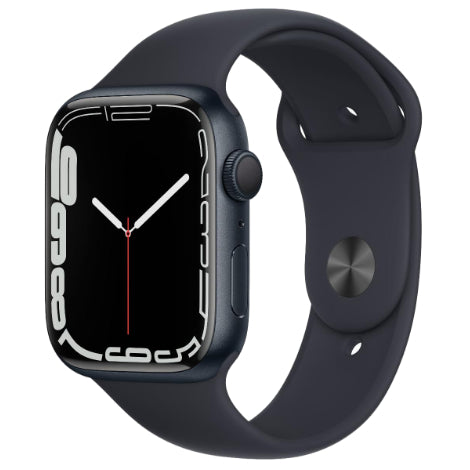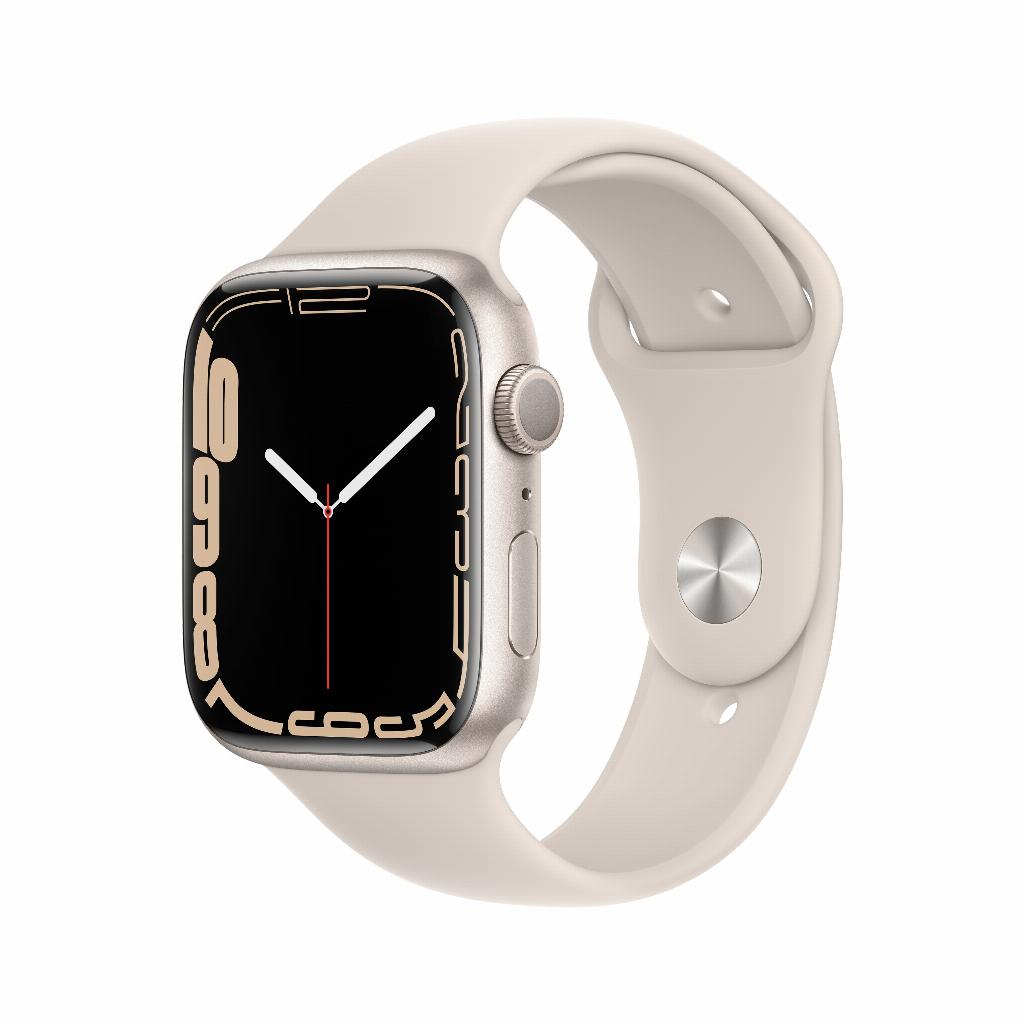

The Apple Watch charger dilemma
Your Apple Watch is dead again. Did you forget the charger at home, at the office, or simply break it? Sound familiar? Choosing a new charger seems simple: just buy one. But then you're faced with a choice. An official Apple charger for €45? A cheaper alternative for €8? A magnetic charging station or a power bank? Just like choosing the right Apple accessories for your other products, you don't want to make the wrong choice.
However, what almost no one tells you: the most expensive charger isn't always the best for your situation . In fact, that overpriced official Apple charger can sometimes even be the worst choice. Why? Because it's not about the price or the brand, but about how and where you use your Apple Watch. And that's where most people make the mistake.
Useful links:
The different types of Apple Watch chargers
The market for Apple Watch chargers is surprisingly diverse. You have the classic Apple magnetic charging cable, but also countless alternatives, from simple USB cables to high-end charging stations that can charge multiple devices simultaneously.
Magnetic charging cables are the most common. They work with all Apple Watch models and magnetically attach to the back of your watch. The official version costs between €35 and €45, while alternatives are available starting at €10.
Charging stations offer more functionality. Some models not only charge your Apple Watch, but also your iPhone and AirPods simultaneously. Prices range from €30 to €150 for the more expensive models with multiple charging points.
Power banks with Apple Watch functionality are ideal for on-the-go use. These portable chargers have a built-in magnetic charger specifically for the Apple Watch. Prices start around €40 for basic models.
Compatibility: Which charger fits your model?
Not every charger works equally well with every Apple Watch model. The newer Series 7, 8, and 9 support fast charging, but only with compatible chargers. An older charger will work, but will charge more slowly.
For Series 1 through 6: virtually any magnetic charger will do. These models charge at a maximum of 5 watts, so a more expensive fast charger won't add any value.
For Series 7 and newer: Invest in a USB-C charger with fast charging if you're in a hurry. These charge up to 33% faster than standard chargers. Your watch will reach 80% battery in 45 minutes.
For the SE models: these are somewhere between the older and newer series in terms of charging speed. A standard charger is usually sufficient, unless you specifically need faster charging.
When do you choose which charger?
Home use
A charging station with a stand is ideal for your bedside. It keeps your watch stable, provides a clear view of the screen, and doubles as an alarm clock. A simple magnetic cable also works, but is less practical.
At the office
A spare magnetic cable is handy to have in your desk drawer. Choose a shorter cable (0.3 meters) to avoid clutter. A USB-A version fits most laptop docks.
En route
A power bank with a built-in Apple Watch charger is essential for longer trips. Check the capacity: at least 3000 mAh for multiple charges. Compact models fit in your pocket.
During sports
A cheap spare charger for your gym bag is sufficient. It doesn't need to charge quickly, as you usually have time between workouts. A robust model that can withstand a knock or two is more important than speed.
Official vs. Alternative: The Trade-Off
Official Apple chargers offer peace of mind. They're guaranteed to work, have a good warranty, and retain their value better. The downside: the price. You can easily pay three times as much as an alternative.
MFi-certified alternatives (Made for iPhone/Apple Watch) are approved by Apple. Brands like Belkin, Anker, and Mophie offer reliable options for 20-30% less than Apple's own price.
Budget alternatives without certification often work fine, but quality varies widely. Read reviews before buying. Avoid extremely cheap options under €8; these often break quickly or charge slowly.
Practical purchasing tips
- Pay attention to the cable length. Standard cables are 1 meter, but 0.3 meters is more convenient for traveling, and 2 meters is practical next to your bed.
- Check the connection. Older chargers have USB-A, newer ones have USB-C. Check what your adapter supports.
- Consider the charging speed. For Series 7 and newer models, a fast charger is worthwhile. For older models, it doesn't matter.
- Consider a set. Two or three chargers (home, work, bag) saves a lot of hassle. A multipack is often more economical than buying them individually.
Common problems and solutions
Charger not working? First, check if the contacts are clean. Wipe both sides with a microfiber cloth. Still not working? Try a different adapter or USB port.
Charging takes a long time? You might be using a weak power source. A computer port often only provides 2.5 watts. Use a wall adapter with at least 5 watts for normal charging speeds.
Magnet not holding properly? This is often due to a case or screen protector that's too thick. Remove it while charging, or choose a charger with stronger magnets.
Is your watch getting warm while charging? It might get slightly warm, but if it gets really hot, stop charging. The charger may be defective or incompatible.
Sustainability and lifespan
A good charger will last for years. Official Apple chargers have an average lifespan of 3-5 years with daily use. Alternatives vary widely: from a few months for the cheapest to years for quality brands.
Tips for a longer life:
- Roll up cables neatly, do not fold them
- Avoid extreme temperatures
- Pull the plug, not the cord
- Store loose chargers in a box or bag
Invest in quality for your main charger and choose budget-friendly options for backups. This way, you'll always have a working charger without breaking the bank.
The right choice for your situation
There's no such thing as the perfect Apple Watch charger— the best choice depends entirely on where and how you use it . A charging station with a cradle is practical at home, a compact power bank works best when you're on the go, and a simple magnetic cable will suffice in the office. Feel free to mix official and alternative chargers: invest in quality for your everyday charger and choose budget-friendly options for backups.
Do you have a Series 7 or newer? Then a fast charger at home is worth it. For older models, this makes no difference. It's best to have two or three chargers in strategic locations—that prevents hassle and a dead battery. As with other Apple products, it's not about the highest price, but about finding the right fit for your situation.